
Food Safety Matters
Proper food handling prevents foodborne illness. Learn essential safety practices for your kitchen.
The information on this site is for educational purposes only and does not constitute medical advice. Always consult a qualified healthcare professional before making health decisions.
Master Food Safety in Your Home Kitchen
Discover evidence-based practices to prevent foodborne illness, protect your family, and cook with confidence. From proper storage to safe cooking temperatures, we guide you through every step.
Why Food Safety Education Matters
People in the US experience foodborne illness annually, according to CDC estimates
Hospitalizations per year are related to unsafe food handling practices
Of foodborne illness outbreaks can be prevented through proper kitchen hygiene
Maximum safe time for perishable foods at room temperature without refrigeration
Five Essential Food Safety Steps
Clean
Wash hands, utensils, and surfaces regularly to remove bacteria and pathogens
Separate
Keep raw meat, poultry, and seafood separate from other foods to prevent cross-contamination
Cook
Cook foods to proper internal temperatures to eliminate harmful bacteria
Chill
Refrigerate foods promptly to slow bacterial growth and maintain freshness
Check
Inspect labels and expiration dates; discard suspicious foods when in doubt
Core Food Safety Areas
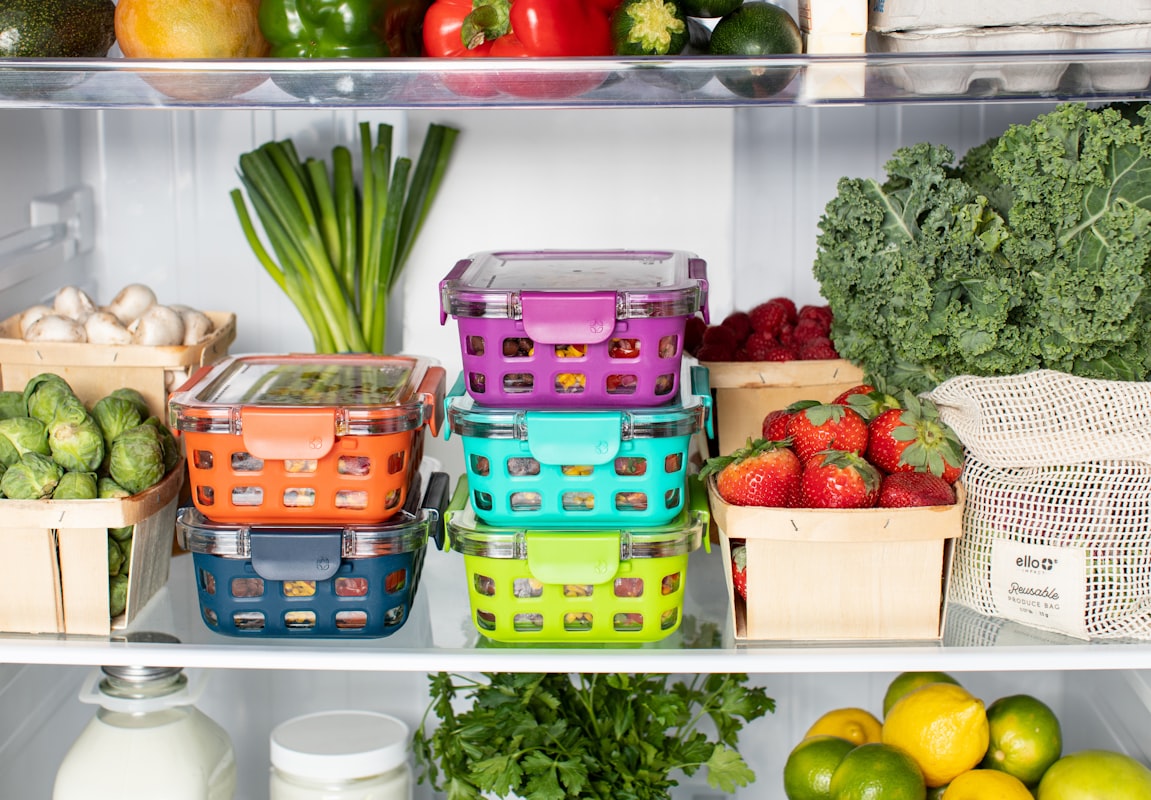
Safe Food Storage
Learn optimal refrigerator temperatures, freezer organization, and shelf-life guidelines for different food categories. Proper storage extends freshness and prevents bacterial multiplication.
Safe Food Preparation
Master proper washing, cutting, and handling techniques to minimize contamination risk. Discover how to prevent cross-contact between raw and ready-to-eat foods.
Safe Cooking Methods
Understand internal cooking temperatures, proper use of food thermometers, and techniques to eliminate pathogens. Different proteins require specific heat exposure for safety.
Preventing Cross-Contamination
Cross-contamination is one of the leading causes of foodborne illness in home kitchens. It occurs when bacteria from raw or unwashed foods transfer to other foods through direct contact or shared surfaces.
-
Use Separate Cutting Boards
Maintain dedicated boards for raw meat, vegetables, and prepared foods
-
Wash Hands Frequently
Especially after handling raw meat and before touching ready-to-eat foods
-
Sanitize Surfaces
Clean countertops, utensils, and appliances with hot soapy water or sanitizer
-
Store Foods Correctly
Keep raw meat on lower shelves to prevent drips onto other foods
Frequently Asked Questions
The danger zone is between 40°F (4°C) and 140°F (60°C). Bacteria multiply most rapidly in this temperature range. Perishable foods should not sit at room temperature for more than two hours, or one hour if the room temperature is above 90°F (32°C). Always use a food thermometer to verify internal cooking temperatures.
Properly stored leftovers can be kept in the refrigerator for three to four days at 40°F (4°C). Always use airtight containers to prevent contamination and maintain freshness. Label containers with the date prepared. When in doubt about food safety, discard the item. Frozen leftovers can be kept safely for three to four months.
No. Room temperature thawing allows bacteria on the surface to multiply to dangerous levels. Instead, thaw meat in the refrigerator (allow 24 hours for most cuts), under cold running water (change water every 30 minutes), or use the microwave's defrost setting and cook immediately afterward. Never use thawed raw meat that has been left at room temperature.
Marinades that have contacted raw meat should not be used as a sauce unless boiled for at least one minute to kill bacteria. The safest approach is to set aside a portion of marinade before adding raw meat. This reserved portion can be used for basting or as a finished sauce. Never reuse or taste marinades that have been in contact with raw proteins.
Test your thermometer periodically using the ice-water method (should read 32°F/0°C) and boiling water method (should read 212°F/100°C at sea level). Many food thermometers have adjustment screws. If your thermometer is off by more than a couple degrees, it's time to replace it. Accurate temperature readings are critical for ensuring meat reaches safe internal temperatures.
What Readers Are Saying
Our readers share how food safety education has improved their kitchen practices and given them confidence in food handling.
"The guidelines transformed how I organize my kitchen. I never realized how important cross-contamination prevention was until reading your detailed explanation. My family feels safer, and I'm cooking with much more confidence now."
Sarah Meyer
Hamburg, Germany
"As a home cook, I thought I knew the basics, but your articles on proper cooking temperatures opened my eyes. The detailed explanations and practical tips are exactly what I needed. This resource is invaluable for anyone serious about food safety."
Thomas Richter
Berlin, Germany
"I've shared these guidelines with my teenage children who are learning to cook. The information is clear and evidence-based, not fear-mongering. Natural Wellness Cooking provides practical education that actually makes a difference in daily kitchen practice."
Katrin Hoffman
Munich, Germany
Stay Updated on Food Safety
Subscribe to receive new articles and safety tips directly in your inbox
Take Control of Your Kitchen Safety Today
Food safety is not complicated—it just requires knowledge and consistent practice. Explore our comprehensive guidelines, read detailed articles, and implement these practices in your home kitchen to protect your family from foodborne illness.